
Accountants must stay updated on new regulations, technologies, and financial models to maintain accuracy and reliability in financial reporting. Exploring resources such as webinars, accounting certifications, and industry reports will help you stay informed about the latest developments in tech finance. Embrace tools like automation and financial dashboards to streamline processes and ensure effective decision-making. For tech companies, especially those handling sensitive customer data, compliance with regulations like GDPR, HIPAA, and other data protection frameworks is critical. These regulations require https://xn--80atgjhnw8b.xn--p1ai/2021/02/01/a-trial-balance-can-best-be-explained-as-a-list-of/ companies to implement stringent security measures and data handling practices, which come with significant costs.
Revenue Recognition for Subscriptions and SaaS
- A significant portion of a tech startup’s early-stage expenses is allocated to research and development (R&D).
- We view ourselves and our services as an integral part of your ministry and a vital extension of your staff.
- DMCC and DIFC are particularly advantageous for tech companies due to their specialized fintech and tech regulations, 0% corporate tax on qualifying income, and streamlined compliance processes.
- This article explores how accounting for tech companies differs from traditional businesses and why specialized accounting approaches are essential for success.
- It is beneficial for small businesses that prioritize simplicity and straightforward cash monitoring.
- For over 25 years, M3’s award-winning hotel accounting software has helped hoteliers reduce manual labor, automate financial reporting, and simplify their operations.
Building a scalable financial infrastructure supports high growth and effective financial planning for tech companies. Selecting the best multi-entity ERP or accounting system tailored to the business’s needs and budget is vital for accommodating scaling. Outsourcing accounting can significantly reduce costs by eliminating the need for an in-house team, thereby enhancing scalability.
DCAA Compliance

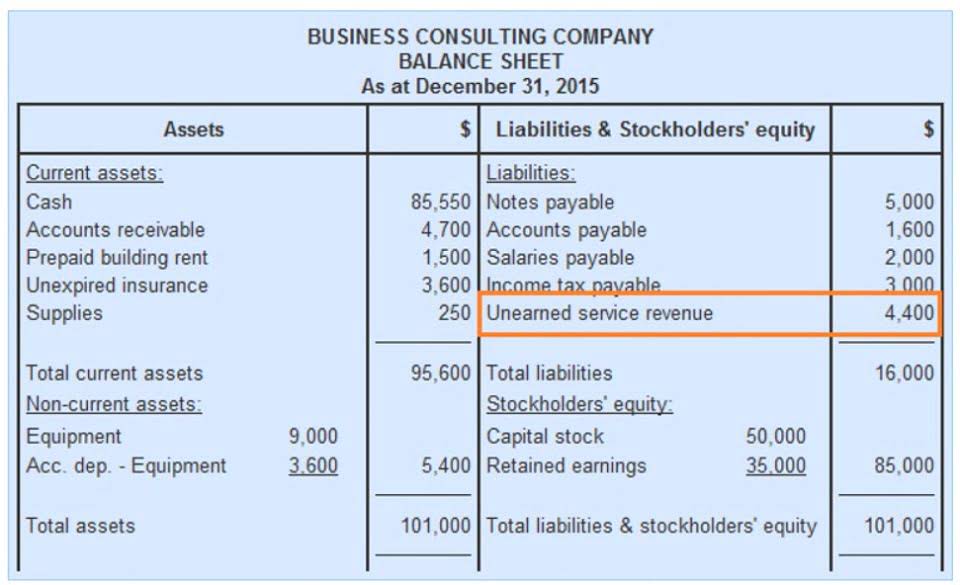
By following these practices, they can maintain transparent financial statements, manage tax obligations, and avoid misstatements that could affect investor confidence. Proper classification of deferred revenue accounting for tech companies directly impacts liabilities and liquidity ratios. Mismanagement can lead to misleading financial reports, affecting investor confidence and strategic decision-making. Therefore, careful tracking and accurate reporting of deferred revenue is critical for maintaining financial integrity and transparency. Deferred revenue should be recorded as a liability on the balance sheet when advanced payments are received. As the service is provided or the product is delivered, the company recognizes the revenue in the income statement over time.
How can a startup ensure compliance with data security regulations in accounting?
This approach builds trust with investors and ensures sustainable growth in the long run. At Taxfyle, we connect small businesses with licensed, experienced CPAs or EAs in the US. We handle the hard part of finding the right tax professional by matching you with a Pro who has the right experience to meet your unique needs and will manage your bookkeeping and file taxes for you. As tech companies grow, they need the right tools to handle their money matters efficiently. Outsourced accounting offers tech companies a way to handle their finances without having to do everything themselves. Here are three best practices that tech companies should be aware of in managing their accounting.
- Monthly Recurring Revenue (MRR) is a key indicator of financial status for many tech businesses including software companies, reflecting predictable revenue from subscriptions.
- Tipalti also offers finance automation Procurement software for purchase requisition intake, approval processes, and automatic purchase order creation.
- These regulations require companies to implement stringent security measures and data handling practices, which come with significant costs.
- However, maintaining an in-house team can be costly due to salaries, benefits, and other necessary or sometimes unnecessary expenses.
- Strategic planning, accelerating adoption, and providing transparency for stakeholders are also key to success in these industries.
- The tool enables fast, flexible reporting across high-volume, multi-entity environments, allowing organizations to track trends, highlight anomalies, and make informed decisions with greater speed and confidence.
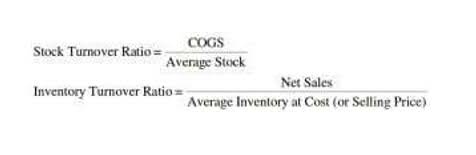
All of these distinctions, as well as many others which we’ll explore in this article, demand that tech companies work with an accounting partner that understands their business and the wider industry. The balance sheet is one of the fundamental financial statements used by law firms to summarize their financial position at … Regularly review the impact of COGS on gross margin, as overlooking key costs can lead to inflated profitability, affecting strategic decisions on pricing and expansion. This makes it easier to allocate these costs proportionally across different services or customer segments.

Our Technology Team can help you make smart decisions and avoid common mistakes so you can get ready to grow.
Tech companies, particularly startups, should prioritize establishing strong accounting frameworks from Cash Disbursement Journal the outset. Understanding and properly valuing intangible assets, such as intellectual property, software, and patents, is crucial in tech accounting. This involves choosing the right accounting software that fits the company’s unique needs, adopting appropriate accounting methods, and integrating technologies that streamline financial operations. Proper budgeting and investment in robust accounting services can prevent financial mismanagement and support sustainable growth. Revenue recognition is particularly challenging for tech companies, as many operate under SaaS (Software as a Service) or other subscription-based models. These companies often collect payments in advance for services provided over time, creating complexities around when to recognize revenue accurately.
Best Practices for Accounting for Tech Companies
One way a startup can achieve success is by negotiating favorable terms with vendors and suppliers. Startups can leverage bulk purchasing power or long-term contracts to secure discounts on essential supplies or services. Implementing cost-saving strategies without compromising quality or growth is vital for startup success.
Software Solutions
Taxes are incredibly complex, so we may not have been able to answer your question in the article. Get $30 off a tax consultation with a licensed CPA or EA, and we’ll be sure to provide you with a robust, bespoke answer to whatever tax problems you may have. Operational costs are expensed immediately, while capital costs related to cloud infrastructure can be capitalized. This value is then amortized over the vesting period, impacting the company’s income statement.

Regardless, these nuances underscore the importance of taking an approach to accounting that’s guided by financial leaders with experience running accounting for tech businesses. Many tech founders would agree that accounting isn’t exactly at the top of their list of priorities. By adopting best practices for accounting for tech companies, founders can unlock a wide variety of hidden efficiencies in their business and discover game-changing financial insights that change their growth strategy.
Taking business to the cutting edge
First, it provides real-time access to financial data, which is crucial for timely decision-making. Secondly, it significantly reduces the probability of human error by automating mundane tasks. Lastly, digital platforms provide robust data security features, protecting sensitive information from unauthorized access and potential breaches. Keeping investors informed about cash flow and burn rate builds trust and ensures alignment with expectations regarding growth and funding needs.